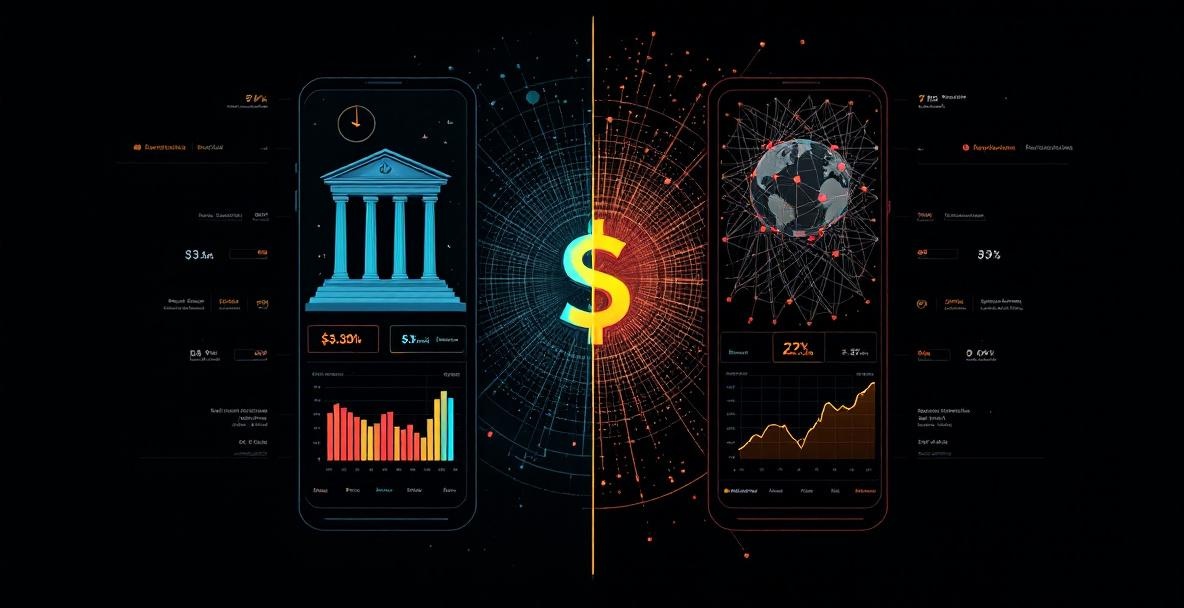
Two traders place the same bet on the 2024 election. One uses Kalshi, pays $3 in fees, and waits 48 hours for approval. The other uses Polymarket, pays $0.30, and trades instantly. Same prediction, wildly different experiences.
Both platforms let you bet on real-world events, but they operate in completely different universes. Kalshi is the regulated American exchange, while Polymarket runs on crypto with global access. Your choice between them depends entirely on what you value more: regulatory safety or trading freedom.
How Each Platform Actually Works
Kalshi operates as a CFTC-regulated derivatives exchange in the United States. You deposit dollars, trade binary contracts, and withdraw to your bank account. Every market gets regulatory approval before going live.
Polymarket runs on the Polygon blockchain using USDC cryptocurrency. You connect a crypto wallet, trade with smart contracts, and settle automatically when events resolve. No regulatory approval needed for new markets.
Key Difference: Kalshi treats prediction markets like traditional finance. Polymarket treats them like decentralized finance. This affects everything from fees to market availability.
The practical impact hits you immediately. Kalshi requires full KYC verification and restricts certain states. Polymarket needs only a wallet connection but technically prohibits US users (though enforcement remains minimal).
Trading Costs and Liquidity Reality Check
Kalshi charges 7% on profitable trades plus a $1 withdrawal fee. A $100 winning bet costs you $7 in fees. Polymarket charges 2% on profitable trades plus gas fees averaging $0.30 per transaction.
For a $1000 winning position, you pay $70 on Kalshi versus roughly $20 on Polymarket. The fee difference compounds quickly for active traders.
Liquidity tells a more complex story. Polymarket typically shows deeper order books on major events like elections or crypto prices. Kalshi offers better liquidity on niche regulatory events and traditional finance outcomes.
Market depth on election contracts: Polymarket often has $2-5 million in open interest while comparable Kalshi markets show $200,000-$500,000. But Kalshi dominates Federal Reserve and congressional prediction markets.
Market Variety and Speed Comparison
Polymarket launches hundreds of markets monthly on everything from celebrity drama to obscure political outcomes. Kalshi averages 10-15 new markets monthly, focused on economic and political events.
Polymarket's advantage is speed and creativity. Markets appear within hours of news breaking. Kalshi markets require weeks of regulatory review before launch.
Example: When Silicon Valley Bank collapsed in March 2023, Polymarket had active markets on bank failures within 6 hours. Kalshi took 3 weeks to get similar markets approved.
Want to track the best opportunities across both platforms? EdgedUp's market scanner monitors price discrepancies and arbitrage opportunities between Kalshi and Polymarket in real-time. Get instant alerts when the same event trades at different odds.
User Experience and Platform Design
Kalshi feels like a traditional brokerage. Clean interface, familiar order types, and detailed market information. Mobile app works smoothly but lacks advanced features.
Polymarket resembles a modern crypto exchange. Sleek design, social features, and extensive market data. The interface updates in real-time and includes trader sentiment indicators.
The learning curve differs dramatically. Kalshi onboarding takes 10 minutes if you understand basic trading. Polymarket requires crypto wallet setup and blockchain knowledge that intimidates newcomers.
| Feature | Kalshi | Polymarket |
|---|---|---|
| Account Setup | 15 minutes (KYC required) | 2 minutes (wallet only) |
| Funding | Bank transfer/debit card | USDC deposit |
| Mobile App | Native iOS/Android | Web-based PWA |
| Customer Support | Email/chat during business hours | Discord community |
Security and Risk Considerations
Kalshi provides SIPC insurance and regulatory oversight. Your funds stay in segregated accounts at regulated banks. Platform risk approaches zero.
Polymarket runs on audited smart contracts but carries typical DeFi risks. No insurance exists for smart contract bugs or blockchain issues. You control your keys, but that means you control your losses too.
Historical reliability: Kalshi has never experienced a security breach or fund loss. Polymarket suffered one minor exploit in 2022 that affected 0.01% of users but was quickly resolved.
Which Platform Wins for Different Trader Types
Choose Kalshi if you prioritize regulatory safety, trade occasionally, or focus on US political and economic events. The higher fees matter less if you make fewer, larger trades.
Choose Polymarket if you want global markets, frequent trading, or cutting-edge events. Active traders save significantly on fees, and market variety exceeds traditional platforms.
The real winner depends on your risk tolerance and trading frequency - Kalshi for safety-first investors, Polymarket for crypto-native traders seeking maximum opportunity.